

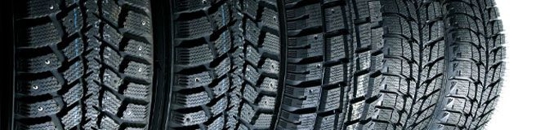
A tire explosion on a Jefferson County bus often results from tire separation, where the tread peels off the casing. While bus companies frequently blame road hazards, many bus accidents are caused by defective retreads that cannot withstand Southeast Texas's heat. When these components fail at high speeds, the coach becomes nearly impossible to control, turning a routine trip into a violent collision.
Investigating a Beaumont bus crash requires examining maintenance records and vendor choices rather than just driver performance. Companies often cut costs by using substandard tires or ignoring auto defects like casing fatigue. By analyzing physical debris and safety logs, forensic investigators can determine if the blowout was a result of corporate negligence or a failure to follow rigorous inspection standards.
Why Bus Tire Separation Is So Dangerous In Jefferson County
Bus tire separation occurs when tread peels from the casing, often causing violent failures that compromise a driver's ability to steer high-occupancy vehicles at highway speeds. In Southeast Texas, extreme pavement temperatures on routes like I-10 and US-69 accelerate the breakdown of defective retreads, turning fully loaded buses into significant safety hazards. Because buses possess a high center of gravity, a separation on a steer axle or rear dual tire can instantly pull the vehicle off-course or shred mechanical components, leaving a dangerously small margin for a safe recovery.
How Defective Tire Retreads Fail And Cause Bus Tire Separation
Retreading involves bonding new rubber to a used tire casing through heat and pressure. While cost-effective, the process is highly sensitive; hidden structural damage, surface contamination, or improper curing parameters create latent defects that are invisible during a standard visual check. If the bond between the new tread and the old casing is compromised at the factory, 18-wheeler tires are fundamentally unstable despite appearing roadworthy.
In service, constant flexing and heat cycles cause these internal weak points to expand into microscopic cracks. These cracks eventually grow into large air pockets, reducing the surface area holding the tire together until the tread peels away catastrophically at highway speeds. For heavy vehicles like buses and 18-wheelers, these failures are often accelerated by high ambient temperatures, heavy loads, and the intense heat generated by 18-wheeler brakes, turning a poor-quality bond into a violent and sudden separation.
Heat, Load, And Speed: Why Beaumont Routes Punish Weak Retreads
Southeast Texas is not an easy place for any tire, especially one that has been retreaded. On a hot August afternoon, pavement in Jefferson County can easily be far hotter than the air around it. A bus running between Beaumont and Houston or between Port Arthur and western Louisiana spends long stretches at highway speed, which forces the tire to flex thousands of times per minute. Each flex generates heat inside the rubber and at the bond between the tread and casing.
Load makes that problem worse. Passenger buses often carry a full load of people, luggage, and sometimes additional equipment. All of that weight rests on a relatively small contact patch where the tire meets the road. The heavier the bus, the more the tire sidewalls and tread area must flex. If the retread bond is already marginal, those heavy, repeated flexes in Jefferson County heat work like a crowbar, prying at the weakest parts of the adhesive layer.
Speed is the third factor that punishes weak retreads. At interstate speeds, the forces inside a spinning tire go up dramatically compared to city driving. The faster the rotation, the faster any small defect grows into a full separation. What might have stayed hidden at low speed on a cool morning can become a full blowout on a hot, crowded stretch of I 10 through Beaumont. From handling heavy vehicle crashes along these routes for years, we know that the combination of heat, load, and speed is exactly what exposes cheap retreads that never should have been on a bus in the first place.
Who Is Really Responsible When A Bus Retread Fails
While blame often falls on the driver after a blowout, tire integrity is primarily determined by fleet operators and maintenance contractors. Companies are responsible for qualifying vendors and enforcing rigorous inspection schedules to identify compromised casings. When maintenance shops prioritize speed or cost over safety, they allow dangerous tires to remain in service, creating a latent hazard that no amount of driver skill can fully mitigate.
Retread vendors and manufacturers further influence safety through their production standards and material quality. If a vendor rushes the curing process or uses substandard bonding agents, the resulting tire is structurally predisposed to separate under high heat and heavy loads. When industrial safeguards fail and manufacturers provide inadequate warnings for casing reuse, a crash is the result of a systemic supply chain failure rather than a simple operational error.
How Investigators Prove A Crash Was Caused By Bus Tire Separation
To prove a bus crash resulted from retread failure, investigators must forensically examine the tire remnants for specific markers of separation. Analysts look for smooth bond lines where the tread peeled away from the casing, as well as oxidation or moisture pockets trapped during the vulcanization process. These distinct patterns differ significantly from the jagged, localized tears caused by road hazards or crash impacts.
The investigation also scrutinizes maintenance logs and casing inspection records to establish a pattern of negligence. When physical evidence of a defect is matched with a carrier's failure to follow inspection protocols, the responsibility shifts from the driver’s actions to the company’s maintenance practices. This technical approach transforms a seemingly random accident into a clear case of corporate liability.
Why Quick Legal Action Matters After A Bus Tire Blowout
Time works against injured passengers and families in a bus tire separation case. Bus companies and insurers have strong financial reasons to repair, move, or dispose of vehicles quickly. If the failed tire is discarded, or if the bus is repaired and returned to service before anyone outside the company inspects it, crucial evidence about the separation may be lost forever.
In the days after a crash, there is also a risk of what lawyers call spoliation of evidence, which simply means changing or destroying evidence that could have shown what really happened. That can include missing maintenance logs, incomplete inspection reports, or gaps in retread purchase records. The sooner a legal team gets involved, the sooner they can send preservation letters and take steps to secure both the physical tire and the related documents before they disappear.
For families, there are practical steps that can help. Keeping any photographs or videos from the scene, retaining bus tickets or booking confirmations, noting the bus route and time, and writing down contact information for other passengers can all support a later investigation. If you suspect a tire issue played a role, mentioning that to medical providers or in your own notes can help keep the focus from drifting solely to driver behavior.
What Injured Bus Passengers And Families Can Recover
Determining the technical cause of a tire failure is essential for identifying all liable parties and maximizing recovery under Texas law. Beyond medical bills and lost wages, victims may seek damages for pain, suffering, and loss of companionship. When evidence reveals a defective retread or negligent maintenance, liability can extend past the bus operator to include maintenance contractors and vendors.
While results depend on specific facts, building a case on technical evidence regarding tire separation provides a clearer path to accountability. Pinpointing whether the failure stemmed from a manufacturing defect or a maintenance oversight allows for a targeted legal approach against every responsible entity. Ultimately, this rigorous investigation ensures that the pursuit of compensation is grounded in factual evidence, helping families secure the full measure of support the law allows.
Talk To A Beaumont Injury Team That Understands Bus Tire Separation
Bus tire separation from a defective retread is a violent event, but it is rarely a mystery to those who know where to look. The physics of heat, load, and speed, the retread process, and the maintenance decisions made in boardrooms and shops all leave traces. When they are collected and examined carefully, they often show that a Jefferson County bus blowout was preventable long before your family ever boarded that coach.
You do not have to work out the causes and legal options on your own. At Dugas Law Firm, led by Clay Dugas and supported by a team with more than 40 years of personal injury practice, we bring heavy vehicle knowledge and meticulous preparation to bus and truck tire cases. We treat our clients like family, communicate in both English and Spanish as needed, and handle cases on a contingency fee basis so you can focus on healing while we focus on the investigation.
If you’ve been injured in a Jefferson County bus blowout caused by a defective tire retread, contact our experienced legal team today for a free case evaluation. Don't let a manufacturer's negligence go unpunished. Call (409) 226-0990 us now to secure the compensation you deserve for your medical bills and recovery.